
Where we live shapes how we live. For individuals with intellectual and developmental disabilities, choosing the right residential support is one of the most important decisions a family can make. Two common options are supported living and host home services.
Supported living
Supported living helps individuals live in their own home or apartment with as much independence as possible. Staff provide assistance based on each person’s needs — which might range from a few hours a day to around-the-clock support. The emphasis is on autonomy: the person directs their own routines, choices, and lifestyle.
Host home services
In a host home arrangement, an individual lives with a trained host home provider who shares their home and offers a caring, family-style environment. This option can be a great fit for people who thrive with the structure, companionship, and warmth of a household setting.
How to choose
- Independence: How much support does the person want and need day to day?
- Environment: Does the individual prefer their own space or a shared household?
- Goals: Which setting best supports the person’s long-term aspirations?
- Community: Where will they feel most connected and included?
We’re here to help you decide
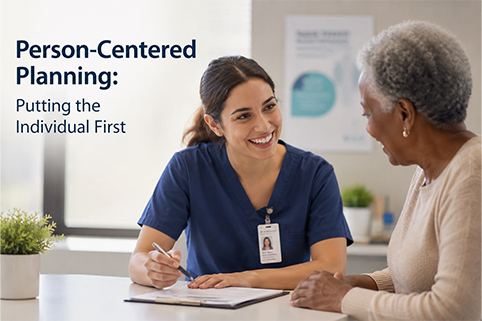
There’s no one-size-fits-all answer — and that’s exactly the point. Through person-centered planning, Shema Healthcare helps individuals and families weigh the options and find the living arrangement that feels like home. Contact us to talk through what’s right for you.